Tutorial math and reading software for elementary and secondary arithmetic, basic math, algebra, geometry, precalculus plus GED, ABE, and CLEP preparation for elementary school, high school, college, adult education, and homeschool students.
You cannot control the world. You can only control yourself.
Stoicism in Schools: Teaching the Art of Calm
Product Description
Stoicism in Schools: Teaching the Art of Calm
These articles offer an educational voice to support learning in all its forms.
Stoics seek to simplify.
Even two thousand years ago, Marcus Aurelius could see how many things were trying to divert us from what we should truly be focusing on. To guard against diversions, he had a simple rule for himself: “Because most of what we say and do isn’t essential. Ask yourself at every moment, Is this necessary? “ Marcus Aurelius, Meditations 4.24
Time is a finite resource. To maximize the time we have, it is up to us every day to focus on the things that matter at the expense of the things that don’t.
Make less time for noise. Less time for nonsense. More time for the necessary.
Today, just as Marcus Aurelius did, remember to ask at every moment, “Is this necessary?”.
The ancient Stoics knew that one of the biggest determiners of our daily peace of mind is how we cope with change.
Everything is fleeting. Change is inevitable. “The only constant…” as the pre-Socratic philosopher Heraclitus put it, “…is change.” If we deny this, we subject ourselves to disturbance every time change intrudes on our lives.
When we refuse to acknowledge the impermanence of things and those things inevitably disappear then our peace of mind disappears with it and we waste time on unnecessary anxiety.
But if we expect change and accept it, we prepare ourselves to adapt to it
Previously: Part 1: Just Get Stuff Done
In our last article, we talked about the power of taking action — starting where you are, doing what’s in front of you, and building momentum through effort. But action without emotional clarity can lead to stress, burnout, chaos, or conflict. That’s where Stoicism comes in.
The ancient philosophy of STOICISM offers a quiet, steady counterbalance to the noise of modern life — and a practical way to teach students (and ourselves) how to stay calm, focused, and grounded while getting things done.
Doing the Work Without Losing Yourself
In this Part 2, let’s explore Stoicism in education — not as a cold philosophy, but as a tool for emotional self-regulation, calm decision-making, and personal dignity. It’s the mindset behind the motion. Because sometimes the most important thing to manage… is our own reaction.
This is a mini-series on character-building in education:
Part 1: Get Stuff Done – The Case for Initiative and Action Part 2: Stoicism in Schools – Staying Calm While Doing Hard Things Part 3: Grit vs. Grace – When to Push, and When to Let Go
In Part 1 we talked about the power of simply getting started. Part 2 goes deeper — into how we manage our minds while we do it. “Just Get Stuff Done” was motivational.
This Part 2 is a bit more philosophical, ideal for readers who want to go beyond productivity and into emotional resilience, discipline, and self-regulation.
Stoicism in Schools: Teaching the Art of Calm, Clarity, and Getting Stuff Done
In a world full of opinions, emotions, deadlines, and distractions, one ancient philosophy feels more relevant than ever — especially in our classrooms. It’s called Stoicism. And no, it’s not about being emotionless. It’s about being steady.
Whether you’re a student navigating friendship drama, a teacher juggling behavior issues and curriculum pressure, or a parent trying to raise a calm child in a noisy world — Stoicism has something to offer you.
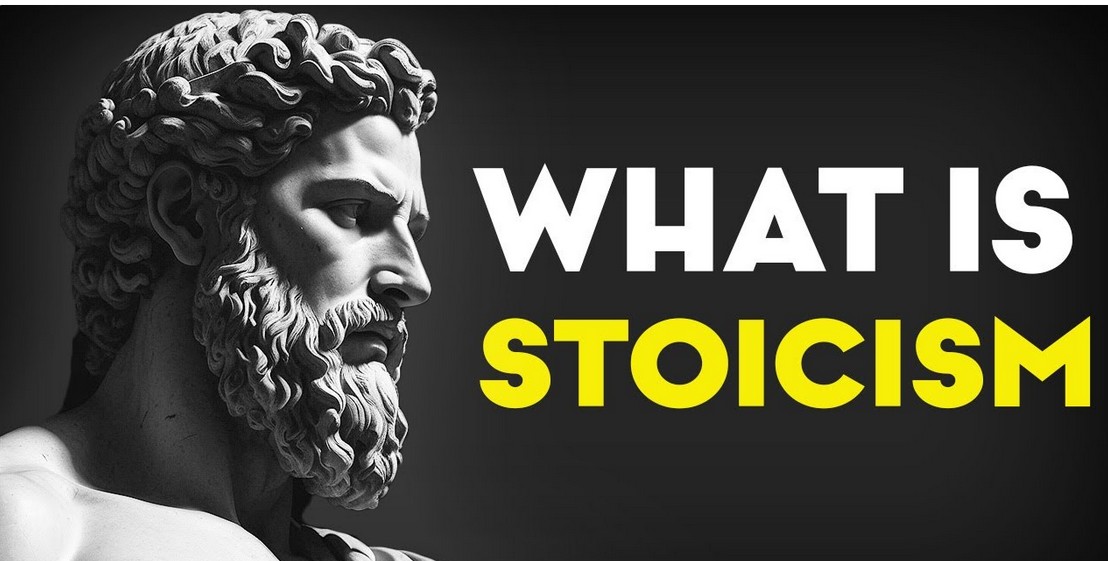
What is Stoicism?
Stoicism began in ancient Greece and reached its peak during the Roman Empire, but its core teaching is timeless:
“You cannot control the world. You can only control yourself.”
That’s the Stoic mindset:
You don’t control what other people say. You don’t control every outcome. But you do control your response. This is emotional self-discipline — the kind that builds strong minds and strong communities.
Marcus Aurelius: The Emperor Who Needed a Pep Talk
One of the most famous Stoics was Marcus Aurelius — emperor of Rome during war, plagues, and betrayal. You might think he ruled with cold detachment. Instead, he wrote a personal journal (now called Meditations) where he reminded himself daily: “You have power over your mind — not outside events. Realize this, and you will find strength.” He wasn’t writing for an audience. He was writing to stay human in hard times.
That same inner discipline is needed now — in every school hallway, classroom, and cafeteria.
Stoicism for Students: A Superpower in the Real World
Students face constant tests — not just academic, but emotional:
“That kid embarrassed me.” “I didn’t make the team.” “I studied and still failed.” “Nobody likes me.”
Stoicism doesn’t deny those feelings. It says:
“You’re allowed to feel it — but you don’t have to be ruled by it.”
Teaching kids that they have control over their reaction is one of the most powerful life skills we can offer:
Don’t lash out — Pause. Don’t spiral — Focus. Don’t give up — Move forward, one small step at a time.
That’s resilience. That’s Stoicism.
For Teachers: Stillness in the Chaos
Educators live on the front lines of emotional turbulence — theirs and their students’. Curriculum changes, test stress, student trauma, and underfunded systems all create noise.
Stoicism gives teachers permission to say:
“I can’t control all of it. But I can control how I show up today.” Some days the lesson plan goes sideways. The student explodes. The technology fails. But our response — our tone, our posture, our ability to keep breathing and reset the room — that’s where the real teaching happens.
For Parents: Emotional Regulation Is a Learned Skill
What if we taught children — from a young age — to pause and ask:
“Is this something I can control?”
Imagine the reduction in tantrums, self-blame, and explosive reactions. This isn’t repression. It’s training.
Stoicism isn’t about bottling up. It’s about building up — emotional maturity, mental resilience, and clear thinking under pressure. It’s what we all want for our kids.
Don’t wait to be handed the perfect task. Don’t wait for the moment you feel “ready.” Do what’s in front of you. Finish what you start. Be the person who gets it done — with decency, with grace, and without fanfare.
That’s how students grow. That’s how classrooms function. That’s how humans flourish.
Final Thought: Stoicism Isn’t Cold — It’s Clear
We don’t teach Stoicism because we want people to feel less.
We teach it because we want people to suffer less.
It helps students:
Respond instead of react Pause instead of panic Reflect instead of retaliate
In a loud and reactive world, Stoicism offers quiet strength — for educators, students, and parents alike. Because when all else is chaotic, the person who stays calm leads the room.
These articles offer an educational voice to support learning in all its forms.
Stoics seek to simplify.
Even two thousand years ago, Marcus Aurelius could see how many things were trying to divert us from what we should truly be focusing on. To guard against diversions, he had a simple rule for himself: “Because most of what we say and do isn’t essential. Ask yourself at every moment, Is this necessary? “ Marcus Aurelius, Meditations 4.24
Time is a finite resource. To maximize the time we have, it is up to us every day to focus on the things that matter at the expense of the things that don’t.
Make less time for noise. Less time for nonsense. More time for the necessary.
Today, just as Marcus Aurelius did, remember to ask at every moment, “Is this necessary?”.
The ancient Stoics knew that one of the biggest determiners of our daily peace of mind is how we cope with change.
Everything is fleeting. Change is inevitable. “The only constant…” as the pre-Socratic philosopher Heraclitus put it, “…is change.” If we deny this, we subject ourselves to disturbance every time change intrudes on our lives.
When we refuse to acknowledge the impermanence of things and those things inevitably disappear then our peace of mind disappears with it and we waste time on unnecessary anxiety.
But if we expect change and accept it, we prepare ourselves to adapt to it
Previously: Part 1: Just Get Stuff Done
In our last article, we talked about the power of taking action — starting where you are, doing what’s in front of you, and building momentum through effort. But action without emotional clarity can lead to stress, burnout, chaos, or conflict. That’s where Stoicism comes in.
The ancient philosophy of STOICISM offers a quiet, steady counterbalance to the noise of modern life — and a practical way to teach students (and ourselves) how to stay calm, focused, and grounded while getting things done.
Doing the Work Without Losing Yourself
In this Part 2, let’s explore Stoicism in education — not as a cold philosophy, but as a tool for emotional self-regulation, calm decision-making, and personal dignity. It’s the mindset behind the motion. Because sometimes the most important thing to manage… is our own reaction.
This is a mini-series on character-building in education:
Part 1: Get Stuff Done – The Case for Initiative and Action Part 2: Stoicism in Schools – Staying Calm While Doing Hard Things Part 3: Grit vs. Grace – When to Push, and When to Let Go
In Part 1 we talked about the power of simply getting started. Part 2 goes deeper — into how we manage our minds while we do it. “Just Get Stuff Done” was motivational.
This Part 2 is a bit more philosophical, ideal for readers who want to go beyond productivity and into emotional resilience, discipline, and self-regulation.
Stoicism in Schools: Teaching the Art of Calm, Clarity, and Getting Stuff Done
In a world full of opinions, emotions, deadlines, and distractions, one ancient philosophy feels more relevant than ever — especially in our classrooms. It’s called Stoicism. And no, it’s not about being emotionless. It’s about being steady.
Whether you’re a student navigating friendship drama, a teacher juggling behavior issues and curriculum pressure, or a parent trying to raise a calm child in a noisy world — Stoicism has something to offer you.
What is Stoicism?
Stoicism began in ancient Greece and reached its peak during the Roman Empire, but its core teaching is timeless:
“You cannot control the world. You can only control yourself.”
That’s the Stoic mindset:
You don’t control what other people say. You don’t control every outcome. But you do control your response. This is emotional self-discipline — the kind that builds strong minds and strong communities.
Marcus Aurelius: The Emperor Who Needed a Pep Talk
One of the most famous Stoics was Marcus Aurelius — emperor of Rome during war, plagues, and betrayal. You might think he ruled with cold detachment. Instead, he wrote a personal journal (now called Meditations) where he reminded himself daily: “You have power over your mind — not outside events. Realize this, and you will find strength.” He wasn’t writing for an audience. He was writing to stay human in hard times.
That same inner discipline is needed now — in every school hallway, classroom, and cafeteria.
Stoicism for Students: A Superpower in the Real World
Students face constant tests — not just academic, but emotional:
“That kid embarrassed me.” “I didn’t make the team.” “I studied and still failed.” “Nobody likes me.”
Stoicism doesn’t deny those feelings. It says:
“You’re allowed to feel it — but you don’t have to be ruled by it.”
Teaching kids that they have control over their reaction is one of the most powerful life skills we can offer:
Don’t lash out — Pause. Don’t spiral — Focus. Don’t give up — Move forward, one small step at a time.
That’s resilience. That’s Stoicism.
For Teachers: Stillness in the Chaos
Educators live on the front lines of emotional turbulence — theirs and their students’. Curriculum changes, test stress, student trauma, and underfunded systems all create noise.
Stoicism gives teachers permission to say:
“I can’t control all of it. But I can control how I show up today.” Some days the lesson plan goes sideways. The student explodes. The technology fails. But our response — our tone, our posture, our ability to keep breathing and reset the room — that’s where the real teaching happens.
For Parents: Emotional Regulation Is a Learned Skill
What if we taught children — from a young age — to pause and ask:
“Is this something I can control?”
Imagine the reduction in tantrums, self-blame, and explosive reactions. This isn’t repression. It’s training.
Stoicism isn’t about bottling up. It’s about building up — emotional maturity, mental resilience, and clear thinking under pressure. It’s what we all want for our kids.
Don’t wait to be handed the perfect task. Don’t wait for the moment you feel “ready.” Do what’s in front of you. Finish what you start. Be the person who gets it done — with decency, with grace, and without fanfare.
That’s how students grow. That’s how classrooms function. That’s how humans flourish.
Final Thought: Stoicism Isn’t Cold — It’s Clear
We don’t teach Stoicism because we want people to feel less.
We teach it because we want people to suffer less.
It helps students:
Respond instead of react Pause instead of panic Reflect instead of retaliate
In a loud and reactive world, Stoicism offers quiet strength — for educators, students, and parents alike. Because when all else is chaotic, the person who stays calm leads the room.
- Educational Comments & Articles
- Schools and Institutions - Licenses
- MathMedia Education Bundles
- Arithmetic
- Basic Math Software Series - Fractions
Decimals
Percents
PreAlgebra
Geometry - ABE - Math
- Reading Comprehension-Critical Thinking Series with Phonics, Grammar, & Values
- Algebra by Chapter (Set of eight programs)
- Algebra by Topic
- Geometry
- Advanced Mathematics
- GED®Test Prep Bundle
- GED - Beginning Practice Math Test
- PSAT / SAT - Math
- College Level - CLEP Test Prep
- HOME USERS
- System Requirements
- Satisfied Customers
- Why Choose MathMedia?
- How to Use MathMedia - FAQ
- Article Archives
- ORDER FORM



