Tutorial math and reading software for elementary and secondary arithmetic, basic math, algebra, geometry, precalculus plus GED, ABE, and CLEP preparation for elementary school, high school, college, adult education, and homeschool students.
Unaddressed Bullying and Taunting
Product Description
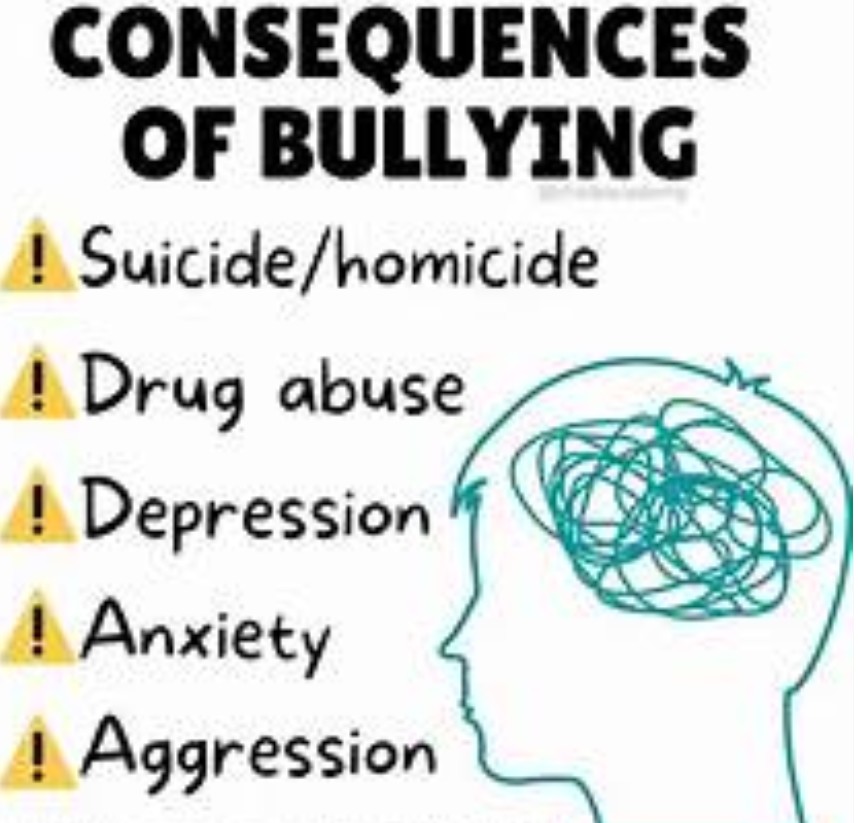
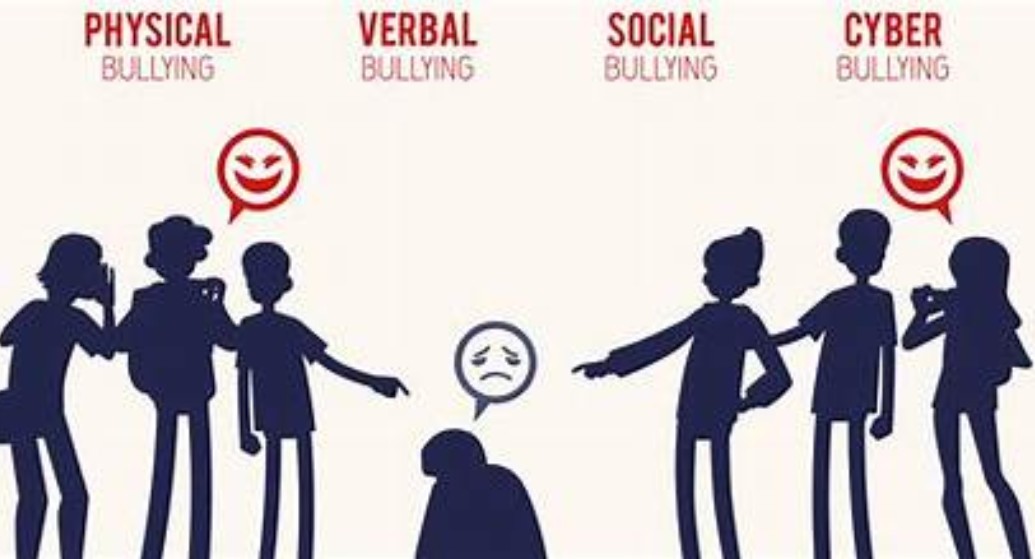
When Educational Opportunity Disappears in an Environment of Unaddressed Bullying and Taunting
Education depends on safety. A child cannot learn if they are scared, ashamed, or isolated. When bullying goes unaddressed, it doesn’t just harm feelings — it erodes the very foundation of opportunity.
The classroom stops being a place of growth. Instead, it becomes a minefield of fear. The teacher’s words fade. The child’s mind is busy rehearsing how to survive the next insult or shove. Curiosity is replaced by caution. Students withdraw from participation, stop raising their hands, and stop taking risks in learning. The future narrows. Missed lessons, chronic absences, and shaken confidence compound over time, quietly closing doors that education was meant to open.
Bullying that is ignored or minimized sends a devastating message: you are not safe here. And in that moment, educational opportunity disappears.
Our responsibility as adults — teachers, parents, administrators — is to ensure school is never a place where silence and fear steal a child’s right to learn.
Bullying: The Hidden Pain of Silent Victims
Silent Suffering: The Child Who Doesn’t Speak Up About Bullying
We often picture bullying as something loud and visible — name-calling in the hallway, shoving on the playground, or cruel posts online. But one of the most painful realities is the child who suffers in silence. These are the children who don’t tell a teacher, don’t confide in a parent, and don’t reach out to a friend. They carry the weight of the bullying alone, and that silence can magnify the harm.
Why They Don’t Tell
Why Some Children Stay Silent
• Fear of escalation – worrying the bullying will get worse if adults intervene
• Distrust of adults – past experiences where complaints were dismissed.
• Shame: Blaming themselves or feeling embarrassed.
• Peer pressure: Not wanting to be seen as weak or as a “tattletale.”
How Schools Can Help
Anonymous reporting systems (digital or paper drop-boxes). Regular check-ins by trusted adults (teachers, counselors). Peer support programs that train students to notice and quietly advocate. Creating a visible culture of safety—where kids see that reporting leads to action, not dismissal.
The Role of Teachers and Parents
Sometimes the signs are subtle: changes in eating or sleeping, withdrawal from favorite activities, vague physical complaints, slipping grades. Adults need to tune into these signals and create safe spaces where a child knows they will be believed, protected, and not blamed.
What ALL Adults Can Do
• Create safe spaces: Let children know they will be believed and protected if they come
forward.
• Watch for the quiet signs: Sudden drops in grades, reluctance to go to school, or slipping
participation may signal more than academic struggle.
• Encourage open conversations: Ask gentle, consistent questions without judgment.
• Build a culture of trust: Show through actions — not just words — that reporting bullying
leads to care and solutions, not dismissal.
For every visible case of bullying, there may be another hidden one. And every hidden case
carries a double cost: pain at the human level, and lost opportunity at the educational level.Silence does not mean safety — sometimes it means a student is losing their chance to learn.
The Hidden Cost: Lost Learning
A child who is silently bullied isn’t just hurting emotionally — they’re losing out academically,
too.
• Attention is stolen: Instead of focusing on math problems or reading, their mind replays the
cruel words or worries about the next encounter.
• Absenteeism rises: Fear of facing classmates can lead to skipped classes or entire school
days missed.
• Confidence crumbles: Participation drops, curiosity fades, and the natural joy of learning is
replaced with anxiety.
• Long-term setbacks: When school feels unsafe, education itself feels out of reach — and
that gap can follow a child for years.
The Takeaway
For every visible case of bullying, there may be another hidden one. And every hidden case carries a double cost: pain at the human level, and lost opportunity at the educational level. Silence does not mean safety — sometimes it means a student is losing their chance to learn.
From the Field to the Classroom
Flag on the Play: Taunting in Schools Should Draw a Penalty
In the National Football League, taunting isn’t brushed aside—it’s flagged, penalized, and taken seriously because it disrupts the game. Schools need the same mindset. If taunting and verbal bullying carried predictable, visible consequences, students would learn quickly that disrespect is out of bounds. Just as penalties keep the game fair, consistent accountability in schools creates an environment where every child can feel safe enough to learn. Respect, like teamwork, isn’t optional—it’s the foundation of success.
The Hidden Cost of Taunting
When taunting or verbal bullying goes unchecked, the damage extends far beyond hurt feelings. Children who are targeted often dread walking into school at all. Instead of focusing on learning, they spend their energy anticipating ridicule, watching for the next insult, or plotting how to avoid attention. Some withdraw quietly, while others act out in frustration. Either way, the result is the same: less engagement, weaker academic performance, and—most troubling—an increasing reluctance to come to school. A single cutting remark can undo hours of teaching, because a child who feels unsafe emotionally cannot learn effectively. When students feel mocked, they stop showing up—not just to class, but to learning itself.
In football, taunting hurts the whole team - 15 yard penalty!
If taunting in school penalizes the whole classroom, peer pressure may focus the penalty on the the person causing the penalty.
The Case for Consequences
That’s why schools must treat taunting with the same seriousness sports teams show on the field. It’s not a minor issue; it’s a direct threat to a fair learning environment.
Education depends on safety. A child cannot learn if they are scared, ashamed, or isolated. When bullying goes unaddressed, it doesn’t just harm feelings — it erodes the very foundation of opportunity.
The classroom stops being a place of growth. Instead, it becomes a minefield of fear. The teacher’s words fade. The child’s mind is busy rehearsing how to survive the next insult or shove. Curiosity is replaced by caution. Students withdraw from participation, stop raising their hands, and stop taking risks in learning. The future narrows. Missed lessons, chronic absences, and shaken confidence compound over time, quietly closing doors that education was meant to open.
Bullying that is ignored or minimized sends a devastating message: you are not safe here. And in that moment, educational opportunity disappears.
Our responsibility as adults — teachers, parents, administrators — is to ensure school is never a place where silence and fear steal a child’s right to learn.
Bullying: The Hidden Pain of Silent Victims
Silent Suffering: The Child Who Doesn’t Speak Up About Bullying
We often picture bullying as something loud and visible — name-calling in the hallway, shoving on the playground, or cruel posts online. But one of the most painful realities is the child who suffers in silence. These are the children who don’t tell a teacher, don’t confide in a parent, and don’t reach out to a friend. They carry the weight of the bullying alone, and that silence can magnify the harm.
Why They Don’t Tell
Why Some Children Stay Silent
• Fear of escalation – worrying the bullying will get worse if adults intervene
• Distrust of adults – past experiences where complaints were dismissed.
• Shame: Blaming themselves or feeling embarrassed.
• Peer pressure: Not wanting to be seen as weak or as a “tattletale.”
How Schools Can Help
Anonymous reporting systems (digital or paper drop-boxes). Regular check-ins by trusted adults (teachers, counselors). Peer support programs that train students to notice and quietly advocate. Creating a visible culture of safety—where kids see that reporting leads to action, not dismissal.
The Role of Teachers and Parents
Sometimes the signs are subtle: changes in eating or sleeping, withdrawal from favorite activities, vague physical complaints, slipping grades. Adults need to tune into these signals and create safe spaces where a child knows they will be believed, protected, and not blamed.
What ALL Adults Can Do
• Create safe spaces: Let children know they will be believed and protected if they come
forward.
• Watch for the quiet signs: Sudden drops in grades, reluctance to go to school, or slipping
participation may signal more than academic struggle.
• Encourage open conversations: Ask gentle, consistent questions without judgment.
• Build a culture of trust: Show through actions — not just words — that reporting bullying
leads to care and solutions, not dismissal.
For every visible case of bullying, there may be another hidden one. And every hidden case
carries a double cost: pain at the human level, and lost opportunity at the educational level.Silence does not mean safety — sometimes it means a student is losing their chance to learn.
The Hidden Cost: Lost Learning
A child who is silently bullied isn’t just hurting emotionally — they’re losing out academically,
too.
• Attention is stolen: Instead of focusing on math problems or reading, their mind replays the
cruel words or worries about the next encounter.
• Absenteeism rises: Fear of facing classmates can lead to skipped classes or entire school
days missed.
• Confidence crumbles: Participation drops, curiosity fades, and the natural joy of learning is
replaced with anxiety.
• Long-term setbacks: When school feels unsafe, education itself feels out of reach — and
that gap can follow a child for years.
The Takeaway
For every visible case of bullying, there may be another hidden one. And every hidden case carries a double cost: pain at the human level, and lost opportunity at the educational level. Silence does not mean safety — sometimes it means a student is losing their chance to learn.
From the Field to the Classroom
Flag on the Play: Taunting in Schools Should Draw a Penalty
In the National Football League, taunting isn’t brushed aside—it’s flagged, penalized, and taken seriously because it disrupts the game. Schools need the same mindset. If taunting and verbal bullying carried predictable, visible consequences, students would learn quickly that disrespect is out of bounds. Just as penalties keep the game fair, consistent accountability in schools creates an environment where every child can feel safe enough to learn. Respect, like teamwork, isn’t optional—it’s the foundation of success.
The Hidden Cost of Taunting
When taunting or verbal bullying goes unchecked, the damage extends far beyond hurt feelings. Children who are targeted often dread walking into school at all. Instead of focusing on learning, they spend their energy anticipating ridicule, watching for the next insult, or plotting how to avoid attention. Some withdraw quietly, while others act out in frustration. Either way, the result is the same: less engagement, weaker academic performance, and—most troubling—an increasing reluctance to come to school. A single cutting remark can undo hours of teaching, because a child who feels unsafe emotionally cannot learn effectively. When students feel mocked, they stop showing up—not just to class, but to learning itself.
In football, taunting hurts the whole team - 15 yard penalty!
If taunting in school penalizes the whole classroom, peer pressure may focus the penalty on the the person causing the penalty.
The Case for Consequences
That’s why schools must treat taunting with the same seriousness sports teams show on the field. It’s not a minor issue; it’s a direct threat to a fair learning environment.
 Regular price: $49.00 Limited Time Offer: $24.50 |
- Educational Comments & Articles
- Schools and Institutions - Licenses
- MathMedia Education Bundles
- Arithmetic
- Basic Math Software Series - Fractions
Decimals
Percents
PreAlgebra
Geometry - ABE - Math
- Reading Comprehension-Critical Thinking Series with Phonics, Grammar, & Values
- Algebra by Chapter (Set of eight programs)
- Algebra by Topic
- Geometry
- Advanced Mathematics
- GED®Test Prep Bundle
- GED - Beginning Practice Math Test
- PSAT / SAT - Math
- College Level - CLEP Test Prep
- HOME USERS
- System Requirements
- Satisfied Customers
- Why Choose MathMedia?
- How to Use MathMedia - FAQ
- Article Archives
- ORDER FORM



